


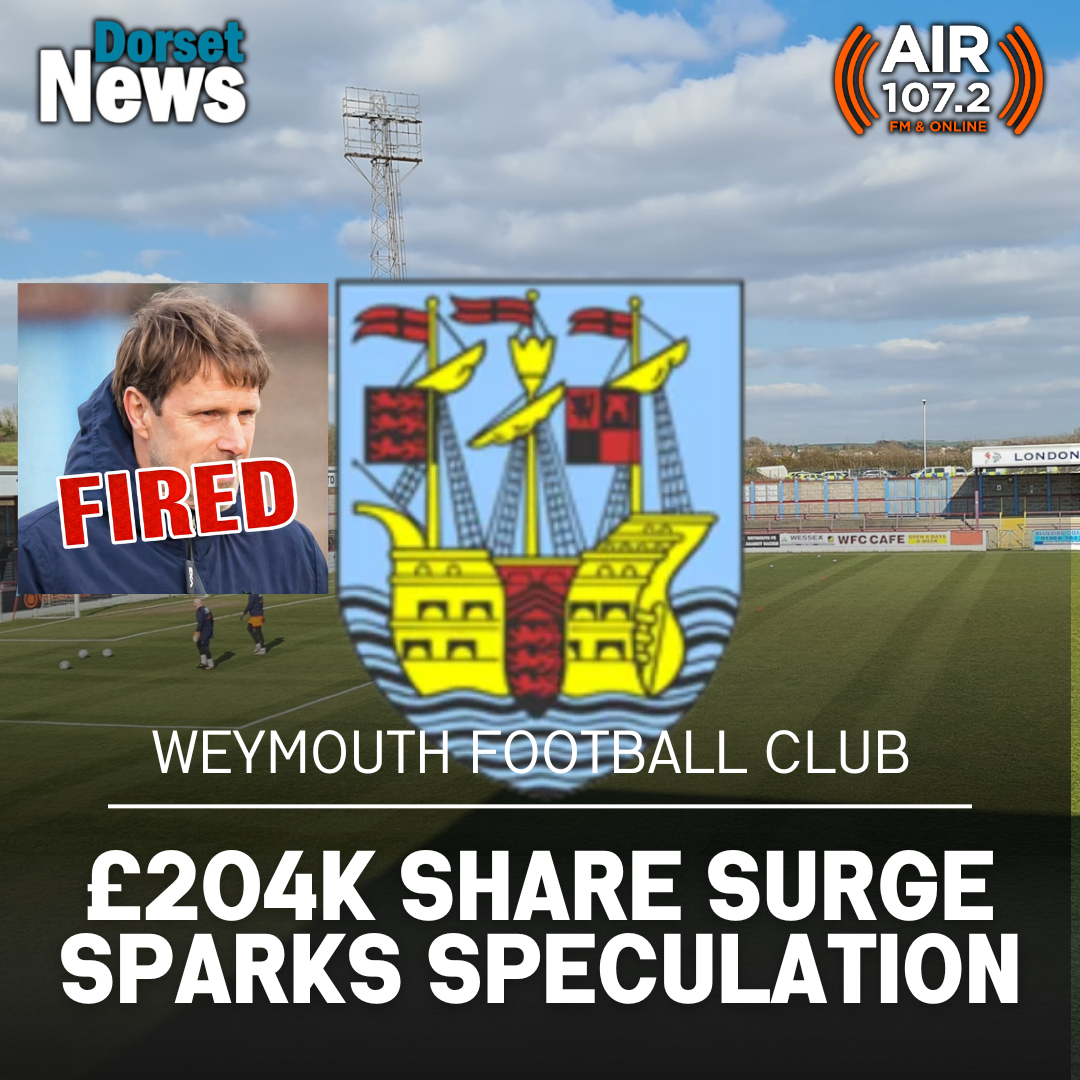
From August 2025 to today, a quiet but unmistakable shift has been unfolding behind the scenes, one measured not in chants from the terraces, but in lines on a share register.
It began late in 2025, when filings revealed that Mr Simon Etherington had acquired 129,540 shares, an investment valued at approximately £64,700. At first, it looked like a vote of personal confidence—significant, but not extraordinary. Then came Mr Ralph Ricardo, whose holding rose by 108,734 shares, worth around £54,364. Eyebrows lifted. Two substantial purchases in quick succession rarely happen by coincidence.
The momentum continued. Mr Andrew G. Chubb increased his stake by 60,000 shares, injecting roughly £30,000 more into the club. Shortly after, Mr Kelvin Hastings-Gordon matched Ricardo’s increase almost exactly, adding 108,734 shares valued at approximately £54,367. Even the WFC Supporters Association joined in, modestly but symbolically, with 1,000 shares at around £500.
By the time the dust settled, the numbers told a striking story:
Total new shares issued: 408,008
Total estimated value: £204,004
For a club already under scrutiny, speculation was inevitable.
Some believe the move is primarily defensive—a money-raising exercise designed to soften the financial blow of parting ways with outgoing First Team Manager Steve Claridge, whose departure may have come with contractual costs the club needed to absorb quickly. Others see it as a more urgent footballing gamble: a last-ditch attempt to stave off relegation, freeing up funds to strengthen the squad before the season slips beyond repair.
There is also a quieter, more structural concern driving the narrative. Attendance figures have dipped sharply, with an average 25.1% drop in home match attendance compared with both the 2023–24 and 2024–25 seasons. Fewer fans through the turnstiles means less matchday revenue—and less margin for error. In that light, the share movement looks less like ambition and more like necessity: a way to fill a growing funding gap without external borrowing.
Whether this coordinated buying spree represents confidence, crisis management, or calculated risk remains unclear. What is certain is that it marks one of the most significant ownership movements the club has seen in years. As the season progresses, results on the pitch may ultimately reveal the true purpose behind those 408,008 shares—and whether this surge of belief was well placed, or merely a holding action against an unforgiving reality.
In response to growing speculation surrounding the recent share activity, Weymouth Football Club chairman Ralph Ricardo has moved to clarify the situation from his perspective.
Ricardo explained that the apparent surge in share purchases does not represent a sudden influx of new money, but rather a formalisation of investment made over the past three years.
“From my perspective, these share purchases represent monies invested over the past three years. This exercise has been undertaken to clarify the difference between loans and share purchases. Any monies that connect back to me have always been provided with a willingness to support the club long-term, in the form of shares rather than loans.”
He added that this approach has been consistent since the current ownership group took control of the club 14 years ago.
“When we took over the club, we agreed that we would only hold shares to the face value of any monies we invested, and that all additional funds would be donated to the Trust. Over the years, those shares have gradually been purchased using monies put into the club.”
According to Ricardo, the recent issuance of new shares is simply the next step in that long-standing process.
“As those shares have now been exhausted, newly issued shares from the club are being purchased directly. As that money has been spent either on the stadium or on running costs, it is reflected as a trading loss, without a revaluation of the stadium.”
When asked directly whether the share movements were connected to the departure of First Team Manager Steve Claridge, and specifically how much the club paid to settle the remainder of his contract, Ricardo declined to give figures.
“I can’t answer that. The mutual agreement stipulates that clause.”
The statement appears to rule out suggestions of a sudden emergency fundraise, instead framing the recent activity as a long-planned accounting and governance exercise designed to distinguish historic owner support from short-term debt, while reaffirming a commitment to the club’s long-term sustainability.
Discover more from Dorset News
Subscribe to get the latest posts sent to your email.








Leave a Reply